Nigeria House Davos 2026
The Rhythm of Heritage and Innovation
19-23 January 2026 · Davos-Klosters, Switzerland
From Sovereign Visibility to Investment Outcomes
Davos 2026 in pictures
A look back at Nigeria House Davos 2026: the delegates, the dialogues and the moments that defined the edition.
The 2026 programme, day by day
4:00 PM - 5:30 PM
Nigeria House Opening & Inauguration Ceremony
Promenade 63, Davos Platz
Day 1 marks the Official Opening of Nigeria House Davos 2026 and sets the tone for Nigeria’s presence at the World Economic Forum. The programme begins with an inauguration ceremony, formally launching Nigeria House as a dedicated platform for high-level investment engagement, policy dialogue, and partnership-building throughout Davos week. The opening sequence features an inaugural address from the Vice President reinforcing Nigeria’s reform direction, commitment to stability, and readiness to collaborate with global partners. The session culminates in the launch of four Investment Playbooks, providing a clear, practical framework for engaging Nigeria’s priority opportunities and enabling structured follow-on conversations across the week.
5:30 PM - 7:00 PM
Bank of Agriculture (BOA) Roundtable
Promenade 63, Davos Platz
Focus of the Day Day 1 focuses on Nigeria’s strategy for unlocking value across agriculture and solid minerals by shifting from raw commodity exports to integrated value chains, processing, trade infrastructure and bankable public–private partnerships. The sessions are designed to strengthen investor confidence and position Nigeria as a competitive supplier to global markets. Panel Session Bank of Agriculture (BOA) Roundtable The Bank of Agriculture (BOA) Roundtable is a closed-door, high-level engagement convened on Day 1 of Nigeria House Davos 2026, focused on unlocking scalable financing for Nigeria’s agricultural transformation and food security agenda. Hosted by Bank ****of ****Agriculture, the session brings together senior government officials, development finance institutions, global agribusiness leaders, impact investors and private equity firms to examine bankable opportunities across agricultural production, agro-processing, storage, logistics and value-chain industrialisation. The roundtable provides a practical forum to present Nigeria’s agricultural reform priorities, blended finance structures and investment-ready projects, while addressing key risk considerations such as climate resilience, infrastructure gaps and supply-chain efficiency. Discussions will focus on how public capital, DFIs and private investors can collaborate to crowd in long-term funding and accelerate productivity at scale. Designed for candid dialogue and deal-oriented outcomes, the BOA Roundtable positions agriculture not only as a food security imperative, but as a commercially viable sector capable of delivering strong returns, employment and inclusive growth. This session reinforces Nigeria’s message at Davos: agriculture is central to national stability, industrialisation and sustainable investment, and Nigeria is ready to partner with global capital to unlock its full potential.
7:00 PM - 8:00 PM
Panel Session 1 - Agriculture
Promenade 63, Davos Platz
Focus of the Day Day 1 focuses on Nigeria’s strategy for unlocking value across agriculture and solid minerals by shifting from raw commodity exports to integrated value chains, processing, trade infrastructure and bankable public–private partnerships. The sessions are designed to strengthen investor confidence and position Nigeria as a competitive supplier to global markets. Panel Session A business-focused panel examining agribusiness investment opportunities, aggregation models, processing capacity and trade readiness within Nigeria’s agricultural sector. The session highlights practical pathways for scaling agricultural value chains and attracting private capital.
9:00 PM - 11:00 PM
Evening Networking Mixer
Promenade 63, Davos Platz
Focus of the Day Day 1 focuses on Nigeria’s strategy for unlocking value across agriculture and solid minerals by shifting from raw commodity exports to integrated value chains, processing, trade infrastructure and bankable public–private partnerships. The sessions are designed to strengthen investor confidence and position Nigeria as a competitive supplier to global markets. Evening Networking Mixer The Evening Networking Mixer closes Day 1 of Nigeria House Davos 2026 with an informal yet highly curated reception designed to foster meaningful connections among senior government officials, global CEOs, investors, development finance leaders and strategic partners. Set in an intimate environment, the mixer allows participants to continue conversations sparked during the day’s sessions and deepen relationships in a relaxed, off-the-record setting. Serving as the first major social touchpoint of the week, the mixer blends diplomacy and deal-making, creating space for introductions, early-stage discussions and trust-building ahead of more focused sector engagements. It reinforces Nigeria House as a convening platform where access, dialogue and opportunity come together at Davos.
9:30 AM - 10:30 AM
Fireside Chat with Wale Tinubu of Oando
Promenade 63, Davos Platz
Africa's Oil Frontier in a Decarbonizing World: A FIRESIDE CHAT WITH WALE TINUBU Africa’s oil producers are navigating a global energy transition shaped by decarbonisation pressures, capital constraints, and shifting geopolitical alliances—often without full recognition of development realities and energy access needs. For many African economies, oil remains central to fiscal stability, state capacity, and strategic relevance in a still energy-dependent world. This fireside chat examines how African energy leaders are redefining the role of oil within a pragmatic transition framework, balancing energy sovereignty, investor expectations, and environmental responsibility. The conversation will explore governance, credibility, and the use of technology to strengthen operational efficiency and emissions transparency, while considering how diversification and evolving South–South partnerships can support resilient, autonomous energy pathways without undermining growth or access. Moderator: Dr. Jumoke Ayandele- Professor, New York University
10:45 AM - 12:00 PM
Energy Panel Session 4 Powering Africa’s Next Growth Cycle: Gas, Renewables, Capital & Entrepreneurs in a Pragmatic Energy Transition
Promenade 63, Davos Platz
CLIMATE INVESTMENT ENERGY AND ENVIRONMENTAL SUSTAINABILITY Focus of the Day Day 2 examines Africa’s energy future through the lens of realism, resilience and investment. Discussions address how African economies can secure energy access, sustain industrial growth and attract climate capital while navigating decarbonisation, geopolitical shifts and climate risk. The programme emphasises pragmatic transition pathways that align development needs with global climate expectations. Panel Session Powering Africa’s Next Growth Cycle: Gas, Renewables, Capital & Entrepreneurs in a Pragmatic Energy Transition Africa’s energy transition is defined not by ideology, but by necessity: expanding access at speed, securing reliable power for industry, and lowering emissions over time—while mobilising capital that understands long-term risk and local realities. This transition is being driven by a diverse set of actors: legacy energy companies evolving their portfolios, family offices deploying patient capital across generations, and entrepreneurs building solutions within power, grids, storage, and decentralised systems. Gas-to-power and renewables are increasingly recognised as complementary components of a pragmatic energy system, particularly where grid stability, affordability, and industrial competitiveness remain binding constraints. At the same time, the generational shift in ownership within African energy businesses and the rise of family offices are reshaping how capital is structured, governed, and deployed. Entrepreneurs operating within the system—from project developers to technology and infrastructure platforms—play a critical role in translating policy and capital into operational outcomes. This panel examines how gas, renewables, storage, and grid modernisation can be sequenced and integrated to deliver energy security and industrial growth, while exploring investment and partnership models that align family capital, institutional finance, and entrepreneurial execution. The discussion will focus on system design, bankability, risk-sharing, and governance—highlighting how Africa can build resilient energy markets that support development today while positioning the continent for a credible, investable transition. Moderator: Ugonna Madueke Panelists:Ezinne Nwazulu of Nepal EnergiesArc. Dr. Kaycee Orji of Roxettes GroupOsahon Okunbo of PINL Umar Ali Mustapha of MOMAR Energy Trading Company Mr Chinedu Dim of CD Princeton
1:45 PM - 3:15 PM
Panel Session & Roundtable by Tetracore
Promenade 63, Davos Platz
Climate Investment, Energy & Environmental Sustainability Focus of the Day Day 2 examines Africa’s energy future through the lens of realism, resilience and investment. Discussions address how African economies can secure energy access, sustain industrial growth and attract climate capital while navigating decarbonisation, geopolitical shifts and climate risk. The programme emphasises pragmatic transition pathways that align development needs with global climate expectations. Panel Session: Gas-Led Industrialization: Unlocking GTLs, Fertilizers, and Petrochemicals for Nigeria’s Economic Transformation Concept: Nigeria’s vast natural gas reserves present a critical pathway for accelerating industrialization, deepening value addition, and driving inclusive economic growth. As the country seeks to move beyond raw commodity exports, gas-led industrialization offers a foundation for building globally competitive industries in gas-to-liquids (GTLs), fertilizers, petrochemicals, and downstream manufacturing—sectors that can anchor industrial clusters, create skilled jobs, and strengthen trade balances. However, unlocking this potential requires more than resource availability. It demands coordinated policy frameworks, enabling infrastructure, bankable project structures, and sustained capital investment across the gas value chain—from upstream supply and midstream processing to downstream industrial off-take. Strategic gas utilization can also support energy security, lower production costs for local manufacturers, and enhance Nigeria’s position within regional and global industrial markets. This panel will examine how Nigeria can translate gas abundance into industrial competitiveness and long-term economic transformation by addressing regulatory certainty, infrastructure gaps, financing models, and public-private partnerships. It will explore the role of GTLs, fertilizer production, and petrochemicals in supporting food security, export growth, and industrial diversification, while positioning gas as a transitional fuel that underpins industrial development and economic resilience. Moderator: Ugonna Madueke Speakers: Olakunle Williams Kristin Johnson Olalekan Akinyanmi of Lekoil Nigeria Limited
4:30 PM - 5:30 PM
POLICY SPOTLIGHT Financing the Energy Transition: Climate Capital, Carbon Markets & ESG Credibility in Africa
Promenade 63, Davos Platz
Climate Investment, Energy & Environmental Sustainability Focus of the Day Day 2 examines Africa’s energy future through the lens of realism, resilience and investment. Discussions address how African economies can secure energy access, sustain industrial growth and attract climate capital while navigating decarbonisation, geopolitical shifts and climate risk. The programme emphasises pragmatic transition pathways that align development needs with global climate expectations. Panel Session Financing the Energy Transition: Climate Capital, Carbon Markets & ESG Credibility in Africa Africa’s energy transition requires large-scale mobilisation of climate capital, yet financing gaps persist. This panel examines how blended finance, carbon markets and credible ESG frameworks can unlock private investment across renewable energy, transition fuels and climate-resilient infrastructure. Emphasis is placed on governance, measurement, verification and environmental integrity as non-negotiable foundations for investor confidence. The discussion explores how high-integrity financing structures can de-risk investment, support energy access and industrial growth, and position African transition projects as globally investable. Moderator: Cathy Allara Latiwa Tenioye Majekodunmi- DG, The National Council on Climate Change
10:00 AM - 11:00 AM
Panel Session 7 Bridging the Funding Gap for International Trade: Digital Trade, Finance & Cross-Border Growth under AfCFTA
Promenade 63, Davos Platz
Digital Trade & Technology Focus of the Day Day 3 positions Nigeria as a digital trade and technology anchor for West Africa and the African Continental Free Trade Area. The programme explores how scale, policy, infrastructure and capital must align to transform digital innovation into durable economic power. Discussions span digital infrastructure financing, AI governance, cross-border trade systems and inclusive growth, with emphasis on global competitiveness and long-term investment credibility. Panel Session Bridging the Funding Gap for International Trade: Digital Trade, Finance & Cross-Border Growth under AfCFTA The African Continental Free Trade Area (AfCFTA) Protocol on Digital Trade aims to harmonize the rules that will determine whether African firms can truly scale across borders as one integrated market, rather than operate within 54 fragmented national systems. Yet beyond policy alignment, the success of AfCFTA’s digital trade agenda will hinge on Africa’s ability to bridge the funding gap that constrains cross-border commerce, particularly for SMEs, service exporters, and digitally enabled enterprises.While innovations such as the Pan-African Payment and Settlement System (PAPSS) are transforming how value moves across the continent—enabling faster, more efficient cross-border payments in local currencies—payments alone are not sufficient. Digital trade requires a fully financed ecosystem: affordable trade finance, working capital, export credit, and risk mitigation instruments working in tandem with efficient transport and logistics networks, interoperable data and digital identity systems, scalable digital platforms, and robust ICT and digital trade skills.Nigeria is actively developing a national strategy to align domestic policy with AfCFTA’s digital trade implementation, positioning interoperable payments, trade finance, trusted platforms, skills portability, and regulatory coherence as critical enablers of cross-border growth. Closing the financing gap—particularly for women-led businesses, SMEs, and creative and technology-driven exporters—will be decisive in translating digital trade policy into real market access and scalable trade flows.This session will explore how Africa can integrate digital infrastructure, trade finance mechanisms, and policy coordination into a cohesive digital trade infrastructure stack—unlocking services exports, lowering the cost of cross-border transactions, expanding access to finance, and positioning African economies to compete effectively in the global digital marketplace.
2:00 PM - 3:00 PM
Panel Session 8 She Builds, She Leads, She Scales: Women Shaping Africa’s Economic Future
Promenade 63, Davos Platz
Digital Trade & Technology Focus of the Day Day 3 positions Nigeria as a digital trade and technology anchor for West Africa and the African Continental Free Trade Area. The programme explores how scale, policy, infrastructure and capital must align to transform digital innovation into durable economic power. Discussions span digital infrastructure financing, AI governance, cross-border trade systems and inclusive growth, with emphasis on global competitiveness and long-term investment credibility. Panel Session She Builds, She Leads, She Scales: Women Shaping Africa’s Economic Future Women have long driven Africa’s economic growth, yet access to capital, digital tools, and decision-making power remains uneven. This session explores how removing these barriers can unlock capital productivity, accelerate innovation, and deepen shared prosperity. Panelists will discuss how finance, technology, and leadership pathways can help women move from contribution to control, ensuring Africa’s economic transformation is built, led, and scaled by women. The conversation will also examine technology-enabled trade and SME value chains as levers for inclusive growth, highlighting practical capital, policy, and platform solutions that strengthen resilience and scale across the continent. Moderator Deepali Nangia Panelists • Adesuwa Okunbo Rhodes- Founder and Managing partner, Aruwa Capital • Pauline Koelbl- Founder & Managing Partner, ShEquity • Lise Birikundavyi CFA -Managing Partner, BKR Capital • Payel Farasat MScFA - Chief Growth Advisor, FINCA International and FINCA
3:30 PM - 4:30 PM
Fireside Chat 5 Who Writes the Rules? AI, Data Protection & Governing Innovation at Scale
Promenade 63, Davos Platz
Digital Trade & Technology Focus of the Day Day 3 positions Nigeria as a digital trade and technology anchor for West Africa and the African Continental Free Trade Area. The programme explores how scale, policy, infrastructure and capital must align to transform digital innovation into durable economic power. Discussions span digital infrastructure financing, AI governance, cross-border trade systems and inclusive growth, with emphasis on global competitiveness and long-term investment credibility. Fireside Chat Who Writes the Rules? AI, Data Protection & Governing Innovation at Scale Artificial intelligence is reshaping economic power, security and competitiveness across borders, regardless of national readiness. This fireside explores how global AI governance frameworks around data protection, privacy, cross-border data flows and compute access are increasingly shaping innovation outcomes. The discussion focuses on how Nigeria and other African economies can influence global rule-setting while enabling domestic innovation, balancing sovereignty, trust and scale. It examines how Africa can engage strategically so it is not merely compliant with global norms, but actively shaping them. Moderator: Aruoture Oddiri Speaker: Russ Wilcox Titi Akinsanmi
5:30 PM - 6:30 PM
Fireside Chat 4 Dr Ngozi Okonjo-Iweala, DG WTO and Olasupo Olusi, MD Bank of Industry
Promenade 63, Davos Platz
Digital Trade & Technology Focus of the Day Day 3 positions Nigeria as a digital trade and technology anchor for West Africa and the African Continental Free Trade Area. The programme explores how scale, policy, infrastructure and capital must align to transform digital innovation into durable economic power. Discussions span digital infrastructure financing, AI governance, cross-border trade systems and inclusive growth, with emphasis on global competitiveness and long-term investment credibility. Fireside Chat From Scale to Capital: Financing Nigeria’s Role as West Africa’s Digital Trade & Infrastructure Anchor This fireside examines how Nigeria can convert its market scale, innovation clusters and growing digital demand into bankable digital and trade infrastructure that attracts long-term global capital. The discussion focuses on critical assets such as data centres, connectivity, logistics corridors and energy systems, and what differentiates countries that sustain infrastructure investment from those that generate short-term interest. Drawing on global experience financing large-scale infrastructure, the conversation highlights the strategic priorities Nigeria must address to move from opportunity to permanence as a regional digital trade hub.
9:30 AM - 10:30 AM
Fireside Chat 6: From Influence to Income: Who Captures Value in Africa’s Creative Economy?
Promenade 63, Davos Platz
Creative Economy & Cultural Export Focus of the Day Day 4 examines how Nigeria can convert global cultural influence into sustainable economic value. The programme focuses on the creative economy as a driver of exports, jobs and investment, moving beyond visibility to address value capture, intellectual property, financing and technology. Discussions position Nigeria’s film, music and cultural industries as scalable export sectors within a structured global marketplace. Fireside Chat From Influence to Income: Who Captures Value in Africa’s Creative Economy? Nollywood now commands global audiences at unprecedented scale, with Nigerian films shaping popular culture across Africa, the diaspora, and major streaming platforms. Yet the economic value generated by this attention is still largely captured outside Nigeria through foreign-owned platforms, opaque contracting, weak IP enforcement, piracy, and limited negotiating leverage.The strategic question is no longer whether Nollywood travels, but who captures the upside. This fireside examines how Nigerian filmmakers, production companies, investors, and policymakers can convert Nollywood’s global influence into durable revenue, jobs, and export earnings by strengthening IP frameworks, improving platform economics, deploying innovative financing and monetisation models, and building stronger global distribution strategies. The focus is not visibility, but value retention in Nigeria’s film industry. Moderator: Stephanie Coker Speakers:Nicole AsinugoFerdinand Adimefe
10:00 AM - 11:00 AM
Panel Session 10:Stakeholder Governance in Music & Cultural Industries:Nigeria’s Afrobeats Model for Global Export and Scalable Growth
Promenade 63, Davos Platz
Creative Economy & Cultural Export Focus of the Day Day 4 examines how Nigeria can convert global cultural influence into sustainable economic value. The programme focuses on the creative economy as a driver of exports, jobs and investment, moving beyond visibility to address value capture, intellectual property, financing and technology. Discussions position Nigeria’s film, music and cultural industries as scalable export sectors within a structured global marketplace. Panel Session Stakeholder Governance in Music & Cultural Industries: Nigeria’s Afrobeats Model for Global Export and Scalable Growth Positioned within the World Economic Forum’s emphasis on public–private collaboration, inclusive growth, and long-term value creation, this panel will explore how Nigeria’s Afrobeats ecosystem offers a future-ready model for scaling creative industries globally. The discussion will examine governance and stakeholder frameworks that align artists, labels, digital platforms, investors, regulators, and cultural institutions from talent discovery through global distribution. Key themes include de-risking music and live-entertainment investments through clearer IP protection, royalties administration, and regulatory clarity; mobilising long-term capital for music infrastructure such as studios, venues, festivals, and distribution platforms; and embedding local participation, digital innovation, and data transparency into Africa’s creative economy. The panel will highlight how Afrobeats is evolving from a cultural movement into a structured export industry—shaping global culture while driving jobs, foreign exchange earnings, and sustainable creative-sector growth across Africa. Speaker: Tiwa SavageDJ ObiFela OkeTola Odunsi
12:00 PM - 2:00 PM
Sponsored Lunch - Session 3
Promenade 63, Davos Platz
Creative Economy & Cultural Export Focus of the Day Day 4 examines how Nigeria can convert global cultural influence into sustainable economic value. The programme focuses on the creative economy as a driver of exports, jobs and investment, moving beyond visibility to address value capture, intellectual property, financing and technology. Discussions position Nigeria’s film, music and cultural industries as scalable export sectors within a structured global marketplace. Sponsored Lunch - Session 3 Details TBA
2:00 PM - 3:00 PM
Panel Session 11
Promenade 63, Davos Platz
Creative Economy & Cultural Export Focus of the Day Day 4 examines how Nigeria can convert global cultural influence into sustainable economic value. The programme focuses on the creative economy as a driver of exports, jobs and investment, moving beyond visibility to address value capture, intellectual property, financing and technology. Discussions position Nigeria’s film, music and cultural industries as scalable export sectors within a structured global marketplace. Panel Session From Informal to Investable: Financing Africa’s Creative Industries This session explores how creative industries can become bankable when rights are clear and cashflows are transparent. It examines how policy reform, platform alignment and private capital can converge to create investable structures such as royalty-backed financing, revenue-sharing models, export credit, guarantees and blended finance. The focus is on transforming creative sectors from informal activity into scalable, investment-ready industries.
3:00 PM - 3:30 PM
Fireside Chat 7
Promenade 63, Davos Platz
Creative Economy & Cultural Export Focus of the Day Day 4 examines how Nigeria can convert global cultural influence into sustainable economic value. The programme focuses on the creative economy as a driver of exports, jobs and investment, moving beyond visibility to address value capture, intellectual property, financing and technology. Discussions position Nigeria’s film, music and cultural industries as scalable export sectors within a structured global marketplace. Fireside Chat Creative Economy as an Employer at Scale: Institutions, Infrastructure & Value Chains The creative economy is often discussed in terms of cultural influence and visibility, yet in Nigeria its true economic impact lies in the institutions and production systems that convert creativity into sustained employment. Across film, music, fashion, and cultural production, studios, academies, fashion houses, manufacturing workshops, museums, and production hubs are increasingly functioning as economic infrastructure—linking talent development to production, distribution, and markets. This fireside chat explores how creative entrepreneurs and institution-builders are constructing end-to-end value chains that support large-scale job creation, from training and craftsmanship to technical services, logistics, branding, and export. Drawing on lived experience, the conversation will examine what it takes to build durable creative institutions, the infrastructure and capital required to scale them, and how Nigeria’s creative economy can move from informal participation to structured, employer-led growth.
4:30 PM - 5:30 PM
Panel Session 12
Promenade 63, Davos Platz
Creative Economy & Cultural Export Focus of the Day Day 4 examines how Nigeria can convert global cultural influence into sustainable economic value. The programme focuses on the creative economy as a driver of exports, jobs and investment, moving beyond visibility to address value capture, intellectual property, financing and technology. Discussions position Nigeria’s film, music and cultural industries as scalable export sectors within a structured global marketplace. Panel Session Beyond Streaming: Technology, XR and the Future of Cultural Exports This panel explores how emerging technologies are reshaping cultural production and monetisation. It examines the role of extended reality, immersive formats and digital platforms in redefining distribution, pricing and fan engagement, while emphasising the importance of protecting rights and monetisation as Nigeria’s creative output scales globally.
7:00 PM - 9:00 PM
Evening Networking Mixer
Promenade 63, Davos Platz
Creative Economy & Cultural Export Focus of the Day Day 4 examines how Nigeria can convert global cultural influence into sustainable economic value. The programme focuses on the creative economy as a driver of exports, jobs and investment, moving beyond visibility to address value capture, intellectual property, financing and technology. Discussions position Nigeria’s film, music and cultural industries as scalable export sectors within a structured global marketplace. Evening Networking Mixer The Evening Networking Mixer closes Day 4 of Nigeria House Davos 2026 with an informal yet highly curated reception designed to foster meaningful connections among senior government officials, global CEOs, investors, development finance leaders and strategic partners. Set in an intimate environment, the mixer allows participants to continue conversations sparked during the day’s sessions and deepen relationships in a relaxed, off-the-record setting. Serving as the first major social touchpoint of the week, the mixer blends diplomacy and deal-making, creating space for introductions, early-stage discussions and trust-building ahead of more focused sector engagements. It reinforces Nigeria House as a convening platform where access, dialogue and opportunity come together at Davos.
9:00 PM - 2:00 AM
Nigeria Night: Nigeria House Davos 2026
Promenade 63, Davos Platz
Nigeria Night: Finance, Culture & Economic Diplomacy– Nigeria House Davos 2026 What it is Nigeria Night is the flagship cultural and diplomatic evening of Nigeria House Davos 2026, held on the sidelines of the World Economic Forum Annual Meeting. It is an invitation-only gathering that convenes global leaders, investors, policymakers and cultural influencers for an immersive experience that reflects Nigeria’s role in shaping cooperation, resilience and growth in a rapidly fragmenting world. Key Features Curated Nigerian music, film, fashion and cuisine showcasing culture as a bridge for global dialogue High-level networking with government leaders, global CEOs, institutional investors and development partners A relaxed, trust-building environment that complements formal WEF discussions Cultural storytelling aligned with Nigeria’s reform agenda, investment readiness and global relevance Purpose To use cultural diplomacy to strengthen trust and cooperation across public and private sectors To deepen strategic relationships and investment conversations in an informal but credible setting To position Nigeria as a stabilising economic and cultural partner in a changing global order To reinforce Nigeria’s contribution to shared prosperity, resilience and long-term global growth
7:00 AM - 10:00 AM
Sponsored Breakfast Session
Promenade 63, Davos Platz
Focus of the Day This is the final day of Nigeria House Davos 2026, dedicated to convergence and dialogue across sectors. Key Focus Areas: Integration of insights from Days 1-4 across Solid Minerals, Energy, Digital Trade, and Creative Economy Cross-sector partnerships and collaboration opportunities Nigeria's positioning as a regional economic hub Closing remarks and future commitments Special Features: Synthesis panels bringing together leaders from different sectors Stakeholder dialogue sessions Networking opportunities Formal closing ceremony and remarks This day emphasizes the interconnectedness of Nigeria's economic sectors and the imperative for collaborative action to achieve sustainable, inclusive growth at scale. Sponsored Breakfast Session Details TBA
9:00 AM - 5:00 PM
Cross-Sector Convergence & Closing Dialogue
Promenade 63, Davos Platz
Focus of the Day This is the final day of Nigeria House Davos 2026, dedicated to convergence and dialogue across sectors. Key Focus Areas: Integration of insights from Days 1-4 across Solid Minerals, Energy, Digital Trade, and Creative Economy Cross-sector partnerships and collaboration opportunities Nigeria's positioning as a regional economic hub Closing remarks and future commitments Special Features: Synthesis panels bringing together leaders from different sectors Stakeholder dialogue sessions Networking opportunities Formal closing ceremony and remarks This day emphasizes the interconnectedness of Nigeria's economic sectors and the imperative for collaborative action to achieve sustainable, inclusive growth at scale.
In their words
“Our vision is not simply to respond to capital, but to shape how it flows, where it lands and how it grows. Let's not just invest in Nigeria. Let's invest differently.”

HM Dr. Jumoke Oduwole, MFR
Honourable Minister, Ministry of Industry, Trade and Investment
“Investment does not respond to announcements. It responds to confidence built on predictable policies and clear rules consistently applied.”
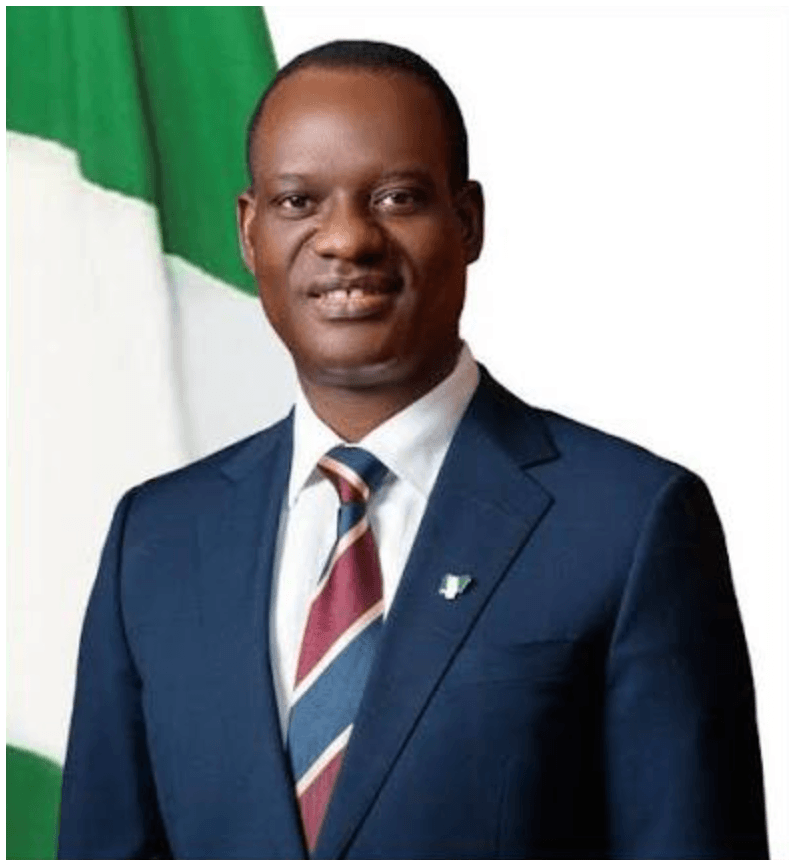
HM Taiwo Oyedele
Honourable Minister of Finance & Co-ordinating Minister of the Economy
“We have continued to advance economic reforms aimed at improving the investment climate, strengthening governance, expanding opportunities for private sector participation and promoting sustainable economic growth.”
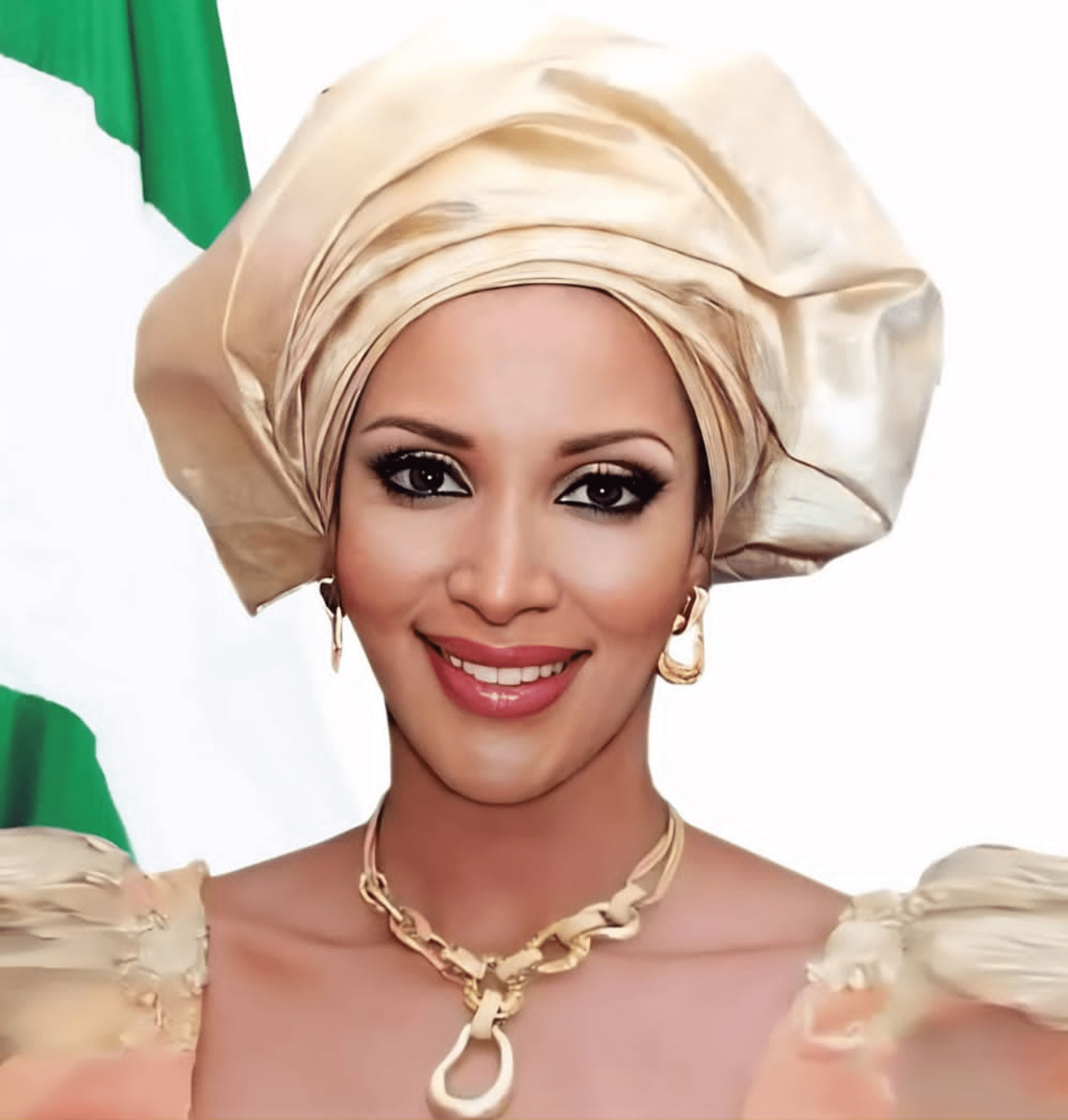
HM Ambassador Bianca Odumegwu-Ojukwu
Honourable Minister, Ministry of Foreign Affairs
“Colleagues, the era of business-as-usual is over. On excellence, we must neither fail nor falter. Our Ministry is now a model for service delivery but this is not just an award to display, it’s a call to deliver.”

HM Dr. Oladele Henry Alake
Honourable Minister of Solid Minerals Development
“We are gathered here not merely to make another policy pronouncement, but to formally declare a new national resolve to unlock the latent potential of millions of young Nigerians by equipping them with relevant, market-driven skills.”
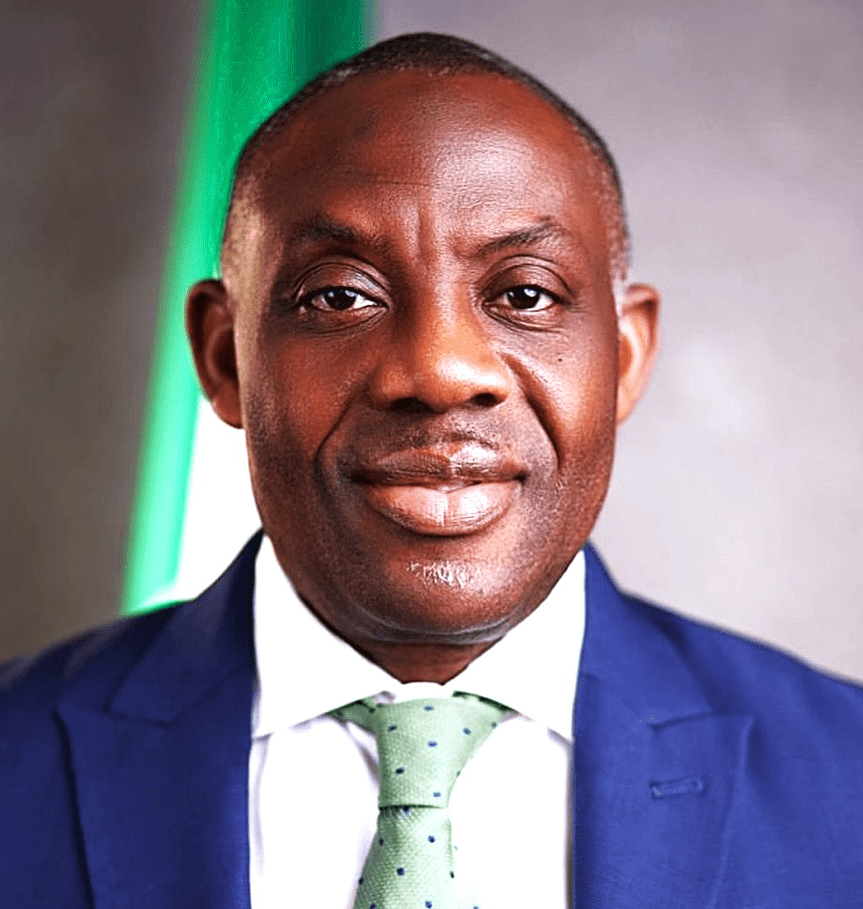
HM DR. MARUF TUNJI ALAUSA
Honourable Minister of Education
“We will listen attentively, learn collaboratively, and act decisively to create an environment that fosters growth, innovation and sustainable development.”
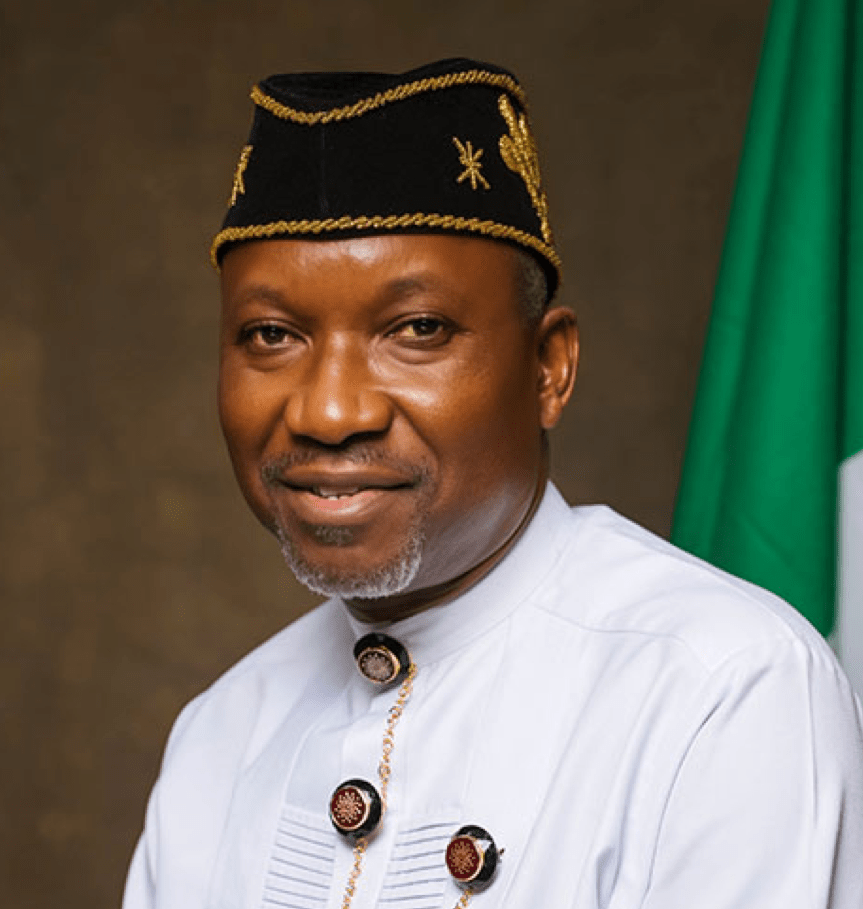
RT. HON. OBONGEMEM EKPERIKPE EKPO
Honourable Minister of State, Gas Resources
“We are committed to revitalizing Nigeria's agricultural landscape through strategic financing and innovation. Nigeria House Davos serves as a critical gateway for attracting investment into sustainable food security and agro-industrial growth”
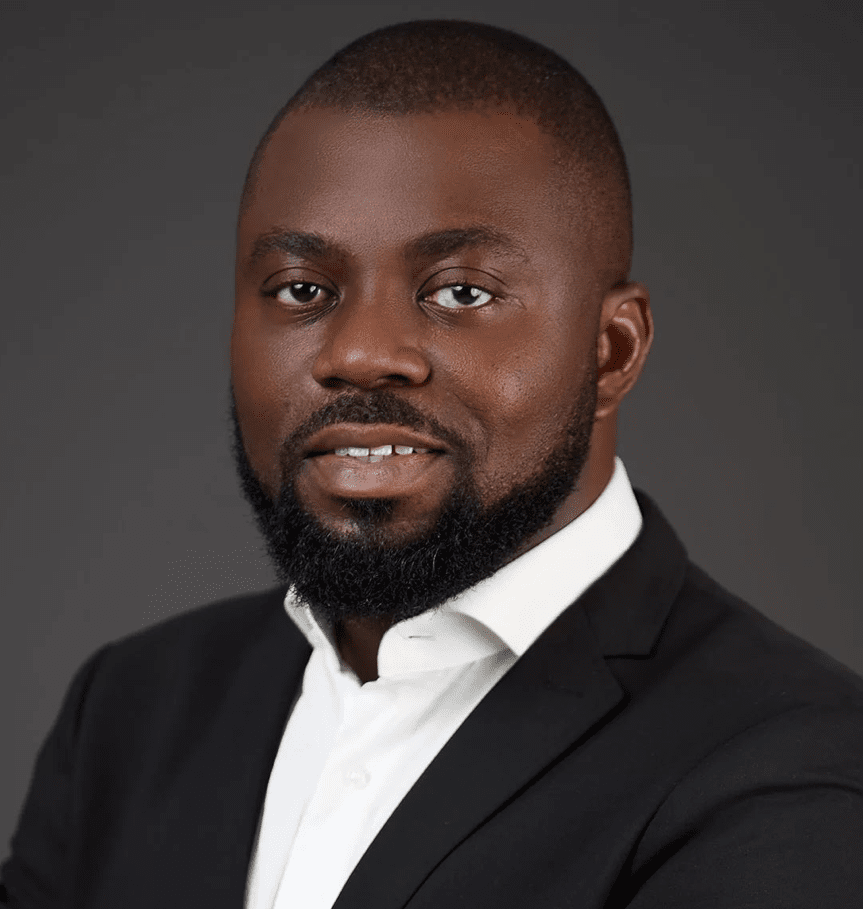
Ayo Sotinrin
MD/CEO, Bank of Agriculture
Implementation partners









Horizontal scrolling carousel of implementation partners logos.